Russia advances into Kostyantivka in eastern Ukraine
Russian forces are pushing into the strategic city of Kostyantivka in eastern Ukraine, according to a Sky News report.
Narrative Synthesis
Neutral news article compiled by integrating coverage details from all reporting stations.
UK schools are grappling with extreme heat as temperatures soar across the country, leading many to close early or send students home. The heatwave, which follows a similar spike in May, has prompted head teachers to implement measures such as allowing students to wear gym kits, emphasizing hydration, and applying sunscreen. However, there is no legal upper limit for classroom temperatures, leaving decisions to individual schools. Simon Kidwell from the National Association of Head Teachers noted that schools are adapting by flexing timetables and considering long-term changes like air conditioning, though funding and environmental concerns remain challenges. The situation has disrupted routines for working parents, but closures are seen as a last resort. The frequency of such heat events is raising questions about whether permanent structural or calendar adjustments are needed.
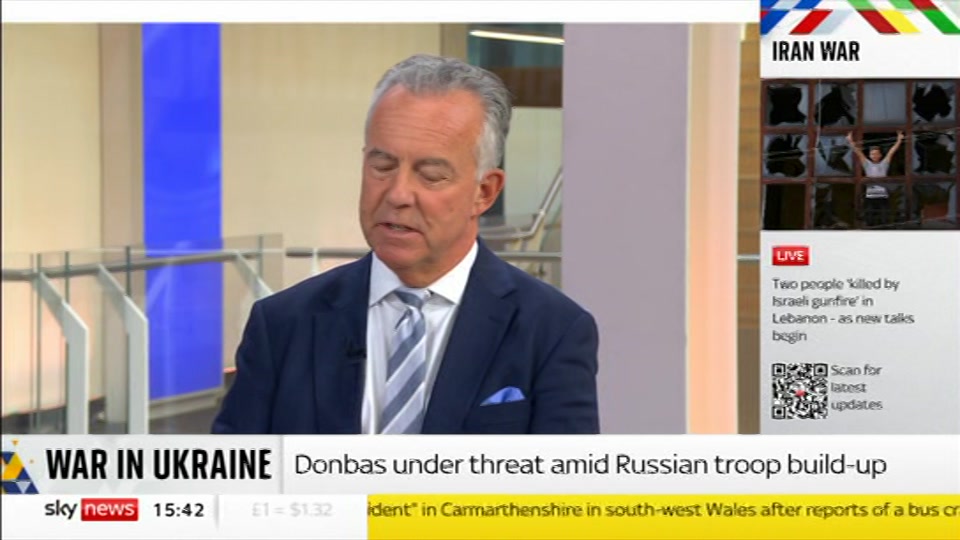
On screen
Representative stills from the broadcasts tracked here - not necessarily the moment shown on air.
Key Claims
Factual or political claims reported during this story's coverage, mapped by channel and broadcast day.
| Claim | Sky News |
|---|---|
| Russian forces are advancing on the strategic city of Kostyantivka, a key gateway to the Donbas region. | ✓ |
| Russia wants to appear on the front foot because media has suggested Ukraine is gaining the upper hand. | ✓ |
| Ukraine is targeting Russian infrastructure and supply lines, including in Crimea, to disrupt Russia's war effort. | ✓ |
Channel Perspectives
Editorial focus, emphasis angles, and key quotes from each reporting news station.
Sky News focused on the military-strategic implications of the Russian advance into Kostyantivka, framing it as a slow, attritional move that Russia is making to appear on the front foot amid reports that Ukraine is gaining the upper hand. The analysis emphasized Russia's unsustainable casualty rates and Ukraine's three-pronged counter-strategy of attrition, infrastructure strikes, and pressure on Crimea. The tone was analytical and cautious, noting that while the advance is dangerous, it does not signal an imminent Ukrainian defeat.
- “The process of a Russian attack on Kostyantivka has attracted the world's attention, because it's one of the fortress cities there, and it does appear that Russia is trying to sort of gradually envelop it and strangle it.”
- “Russia has always been able to recruit more soldiers than it loses. More recently, it hasn't been able to do that. So it's just not sustainable at the moment.”
- “As long as Ukraine doesn't lose, then it's won, and at the moment it's trying to get Russia to grind to a halt.”
Bulletin Timeline
Chronological list of news reports tracked for this story.